Forest Density and Overcrowding

Living in the Forest, Not Clearing the Forest
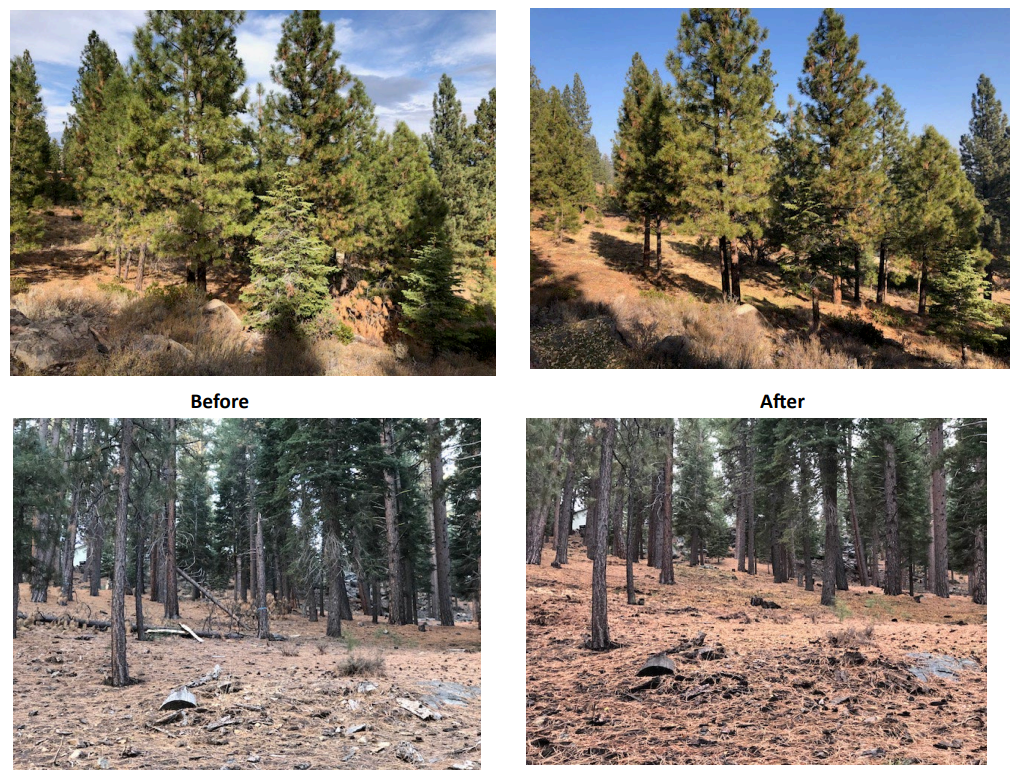
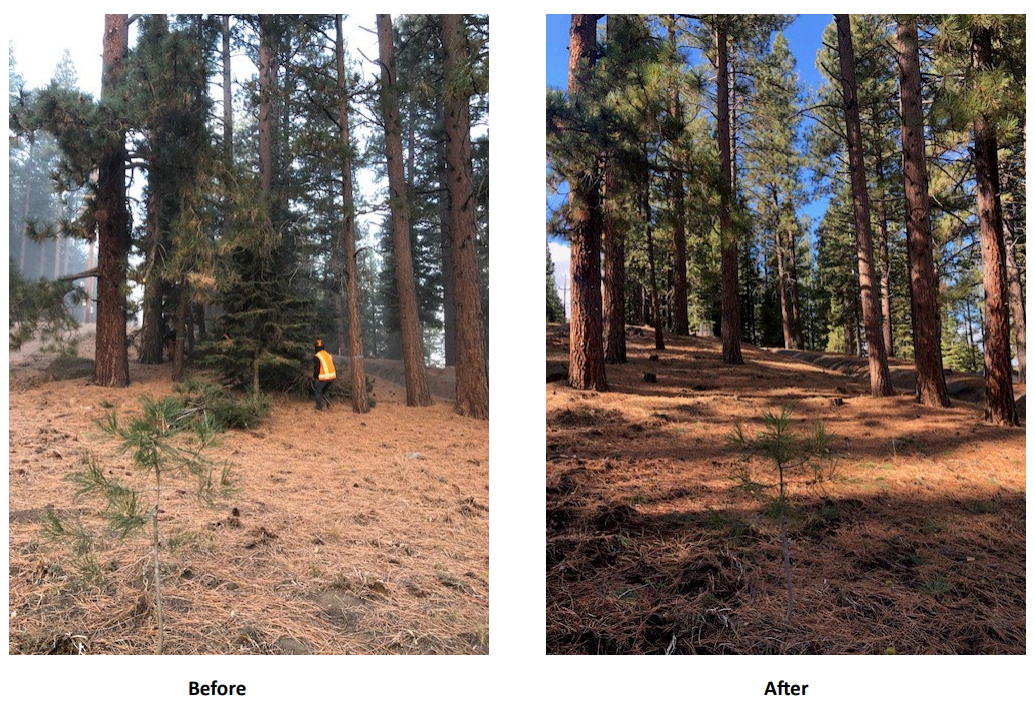
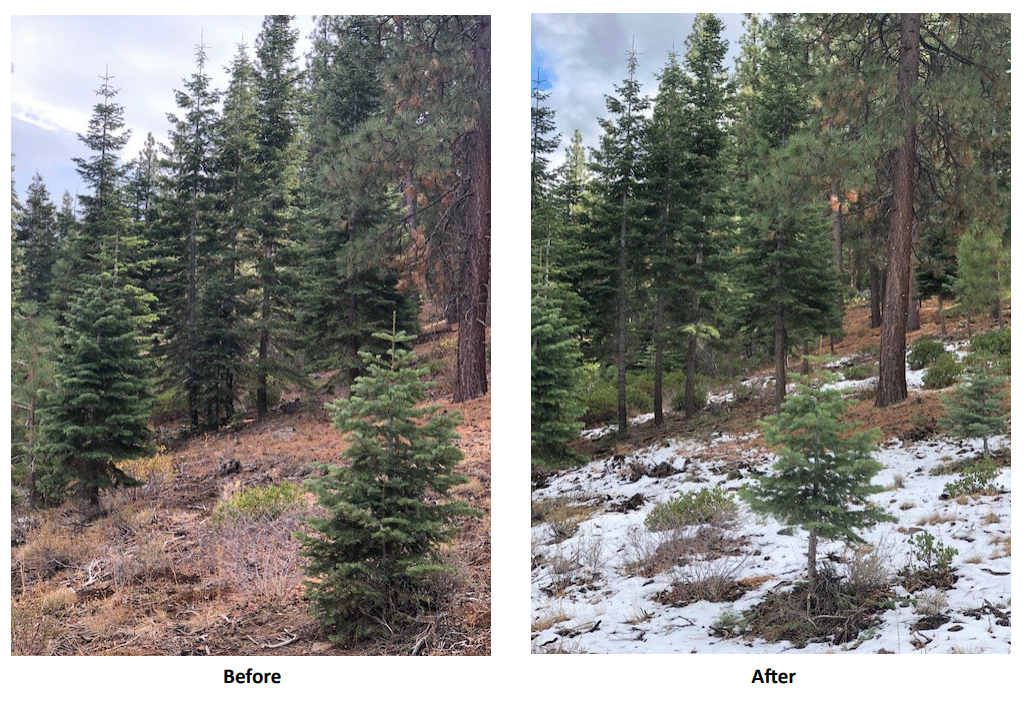
Forest mitigation does not mean removing all of your trees. The goal is to create a healthier, more resilient forest by improving spacing and reducing hazardous fuels, not turning forested properties into empty lots.

Trees provide tremendous benefits to our community, including:

  • Shade and cooling
  • Wildlife habitat
  • Privacy and beauty
  • Improved soil and water health
  • Wind protection
  • The character that makes Black Forest unique

The focus of forest management is usually on removing unhealthy, overcrowded, dead, or poorly positioned trees while keeping strong, healthy trees that have room to grow.

In many areas of Black Forest, trees grew naturally in smaller clusters with grassy openings between them. Over time, fire suppression and changing conditions allowed forests to become much denser than they historically were. When trees are packed too closely together, they compete for water and nutrients, become stressed, and allow wildfire to spread more easily from tree to tree.

A well-managed property can still feel heavily forested while being significantly safer and healthier. Proper spacing between trees can:

  • Improve tree health and growth
  • Reduce drought stress
  • Lower the chance of insect infestation
  • Slow wildfire spread
  • Increase the likelihood trees survive a wildfire

Mitigation is about balance. The goal is to maintain the beauty and character of the forest while helping it become healthier and more resilient for the future.

Many forests in Colorado are significantly denser than they were historically. Years of fire suppression, drought stress, and limited forest management have allowed trees to grow too close together, competing for water, sunlight, and nutrients.

When forests become overcrowded:

  • Trees become weaker and more stressed
  • Insects and diseases spread more easily
  • Wildfire can move rapidly through connected fuels
  • Forests become less resilient during drought

In healthy forests, trees have space to grow and develop stronger root systems. Strategic thinning and mitigation efforts can help restore more natural spacing, reduce hazardous fuels, and improve overall forest resilience.

In Black Forest, dense stands of ponderosa pine can create ladder fuels that allow fire to climb from grasses and shrubs into the tree canopy. Reducing forest density helps slow wildfire spread and gives firefighters safer conditions to work in during an emergency.

Learn more about forest management practices through the Colorado State Forest Service Forest Management Resources.