Lessons Learned from Wildland Fires
Every wildfire leaves behind more than a burned landscape. It leaves behind lessons.
Throughout history, major wildfires have challenged long-held assumptions about fire behavior, firefighter safety, community preparedness, and how homes survive. Every significant wildfire is carefully investigated by fire professionals, researchers, and land managers. The knowledge gained from these investigations shapes firefighter training, building practices, evacuation planning, and community mitigation efforts across the country.
Many of the programs and recommendations promoted by Black Forest Fire Rescue, including defensible space, home hardening, Ready, Set, Go!, evacuation planning, and Firewise principles, are rooted in lessons learned from some of the most significant wildfires in American history.

Black Forest Fire (Colorado, 2013)
June 11-21, 2013
For Black Forest Fire Rescue, no wildfire has had a greater impact than the Black Forest Fire.
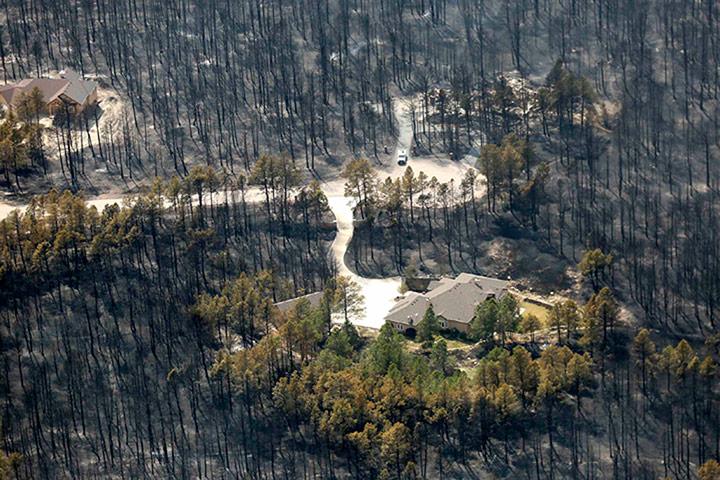
Driven by extreme drought, low humidity, high temperatures, and shifting winds, the fire burned more than 14,280 acres, destroyed 486 homes, damaged dozens more, and claimed two lives. At the time, it was the most destructive wildfire in Colorado history.
The Black Forest Fire demonstrated how quickly a wildfire can overwhelm even well-prepared emergency responders. Within hours of ignition, neighborhoods were threatened across a heavily populated wildland urban interface, requiring large-scale evacuations and a coordinated response involving hundreds of firefighters from across Colorado and beyond.
Investigators found that many homes were ignited by wind-driven embers, not by the main wall of flames. Burning embers traveled long distances ahead of the fire front, landing in pine needles, mulch, gutters, decks, roof valleys, and attic vents. Once one home ignited, radiant heat and flying embers threatened neighboring structures, creating a chain reaction that allowed fire to spread through neighborhoods.
The Black Forest Fire reinforced several critical lessons:
- Defensible space significantly improves a home’s chance of surviving.
- Home hardening is just as important as vegetation management.
- Embers can travel more than a mile ahead of the fire.
- Evacuation plans must be made before smoke is visible.
- Communities in the Wildland Urban Interface must prepare long before wildfire season begins.
These lessons continue to guide Black Forest Fire Rescue’s community risk reduction programs and wildfire mitigation efforts.




South Canyon Fire (Colorado, 1994)
July 6, 1994
The South Canyon Fire, also known as the Storm King Mountain Fire, remains one of the most influential incidents in modern wildland firefighting.
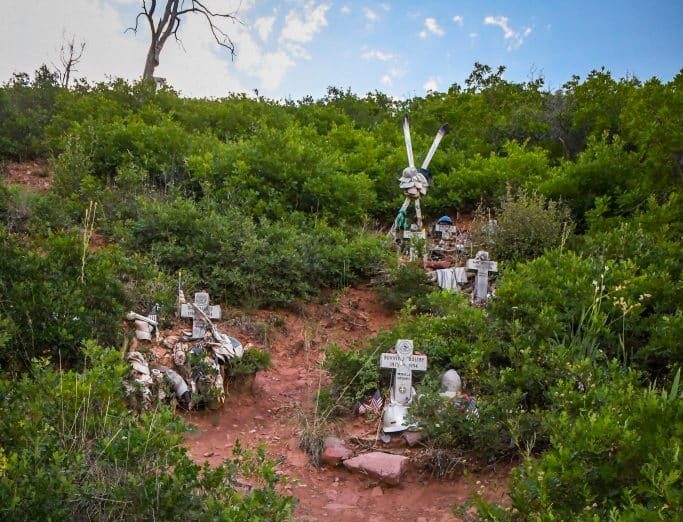
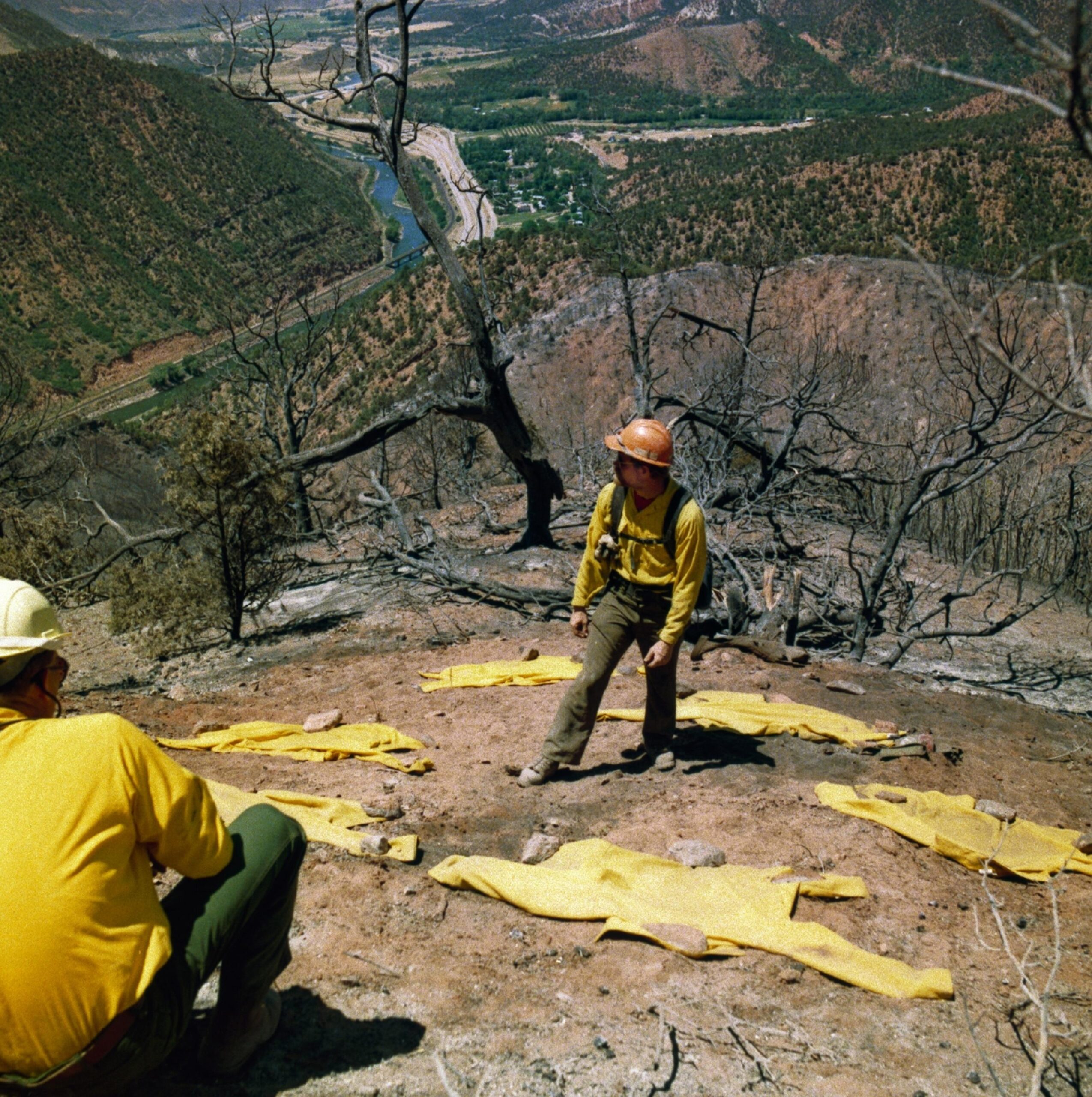
Lightning ignited a wildfire near Glenwood Springs, Colorado. Initially considered a relatively small fire, rapidly changing weather conditions caused explosive fire growth. Fourteen firefighters, including members of the Prineville Hotshots, smokejumpers, helitack crews, and local firefighters, were overtaken while attempting to escape the fire.
The tragedy profoundly changed the way firefighters approach risk management.
Investigators concluded that changing weather, steep terrain, heavy fuels, communication challenges, and underestimating fire behavior all contributed to the incident. Rather than placing blame, the fire service focused on understanding how experienced firefighters could become trapped despite making reasonable decisions with the information available.
Lessons from South Canyon led to increased emphasis on:
- Situational awareness
- Continuous fire behavior assessment
- Escape routes and safety zones
- Lookouts and communication
- Human factors and decision making
- Risk management during rapidly changing conditions
Today, South Canyon remains a foundational case study in every wildland firefighter training academy and continues to influence national firefighting doctrine.
Yarnell Hill Fire (Arizona, 2013)
June 30, 2013
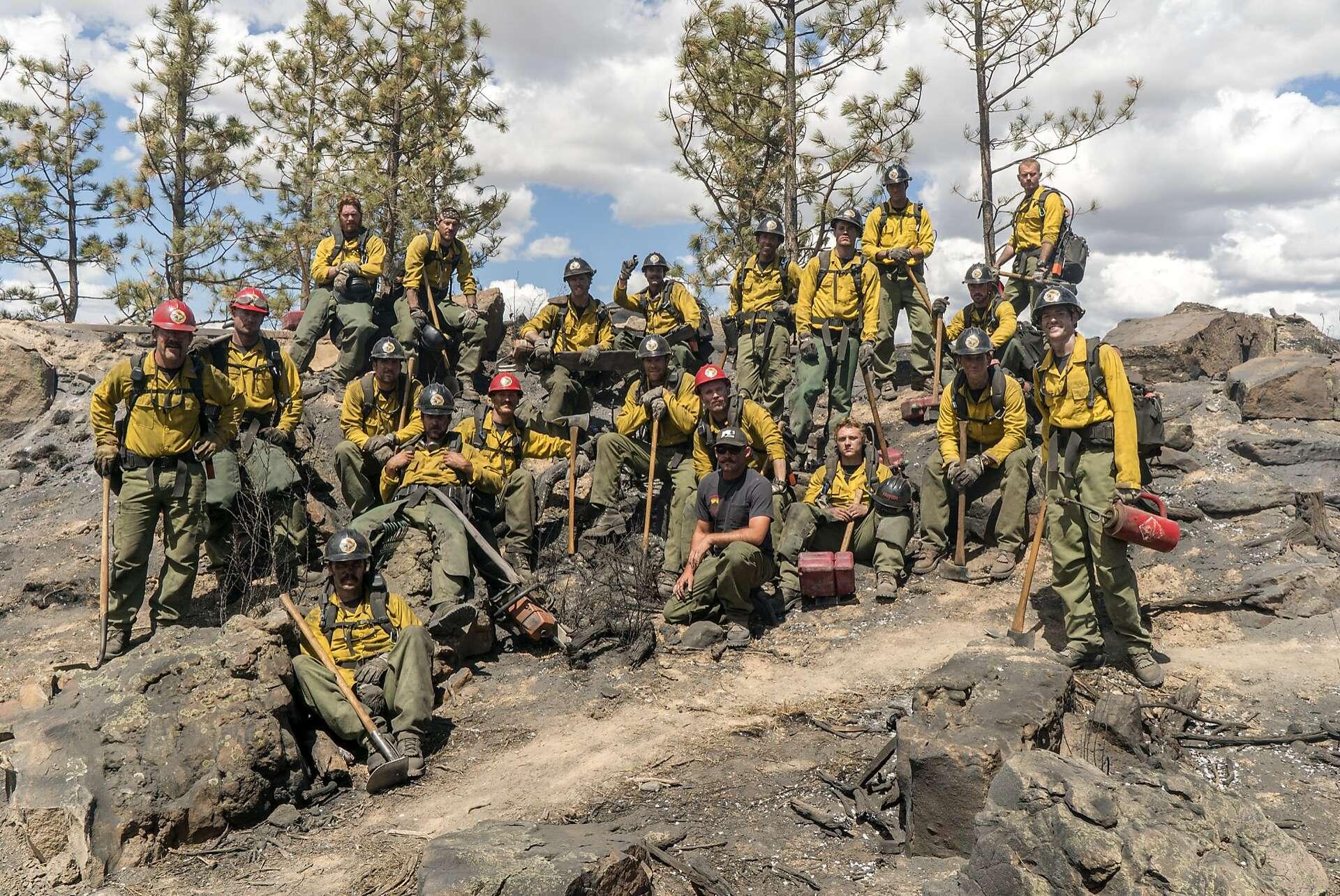
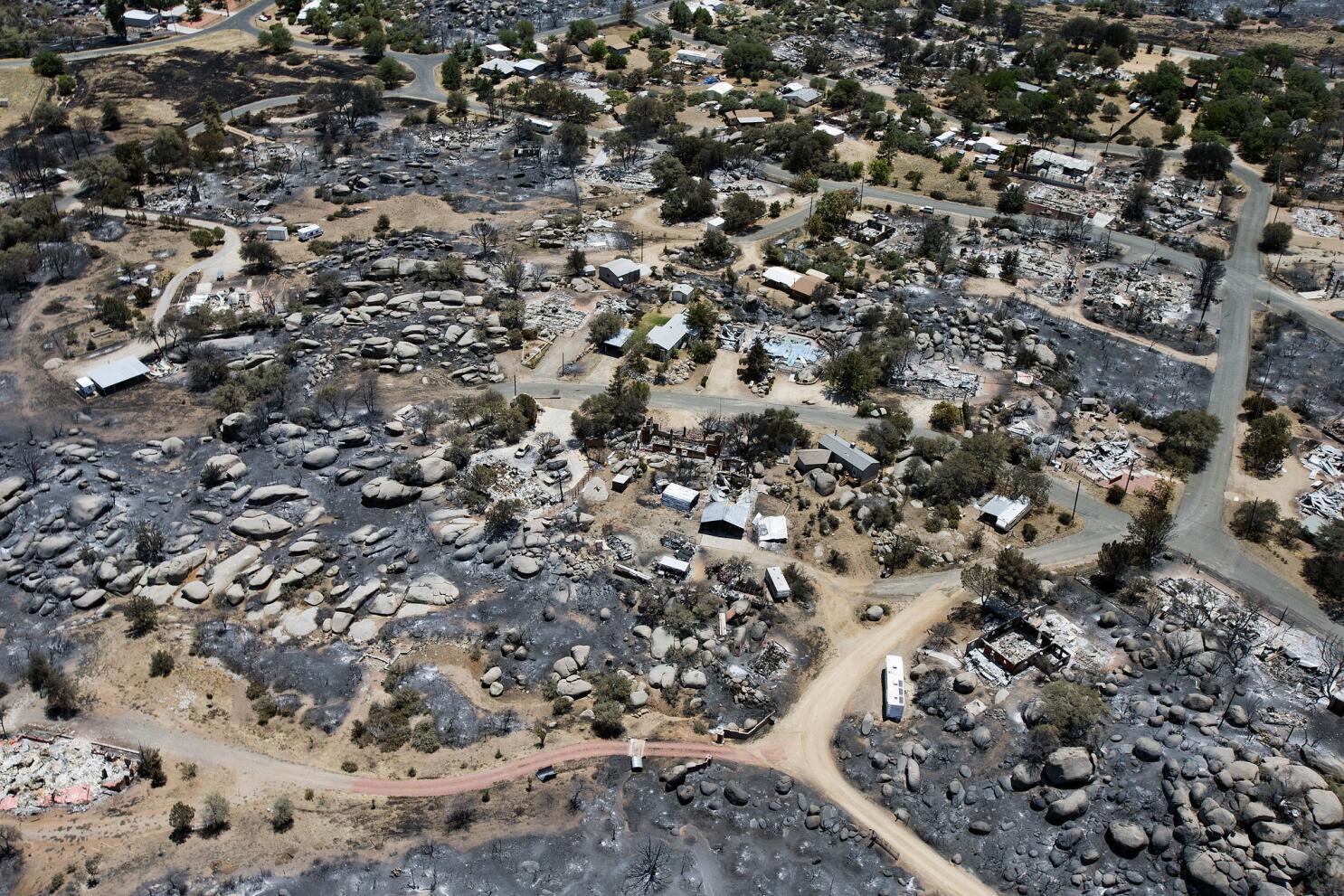
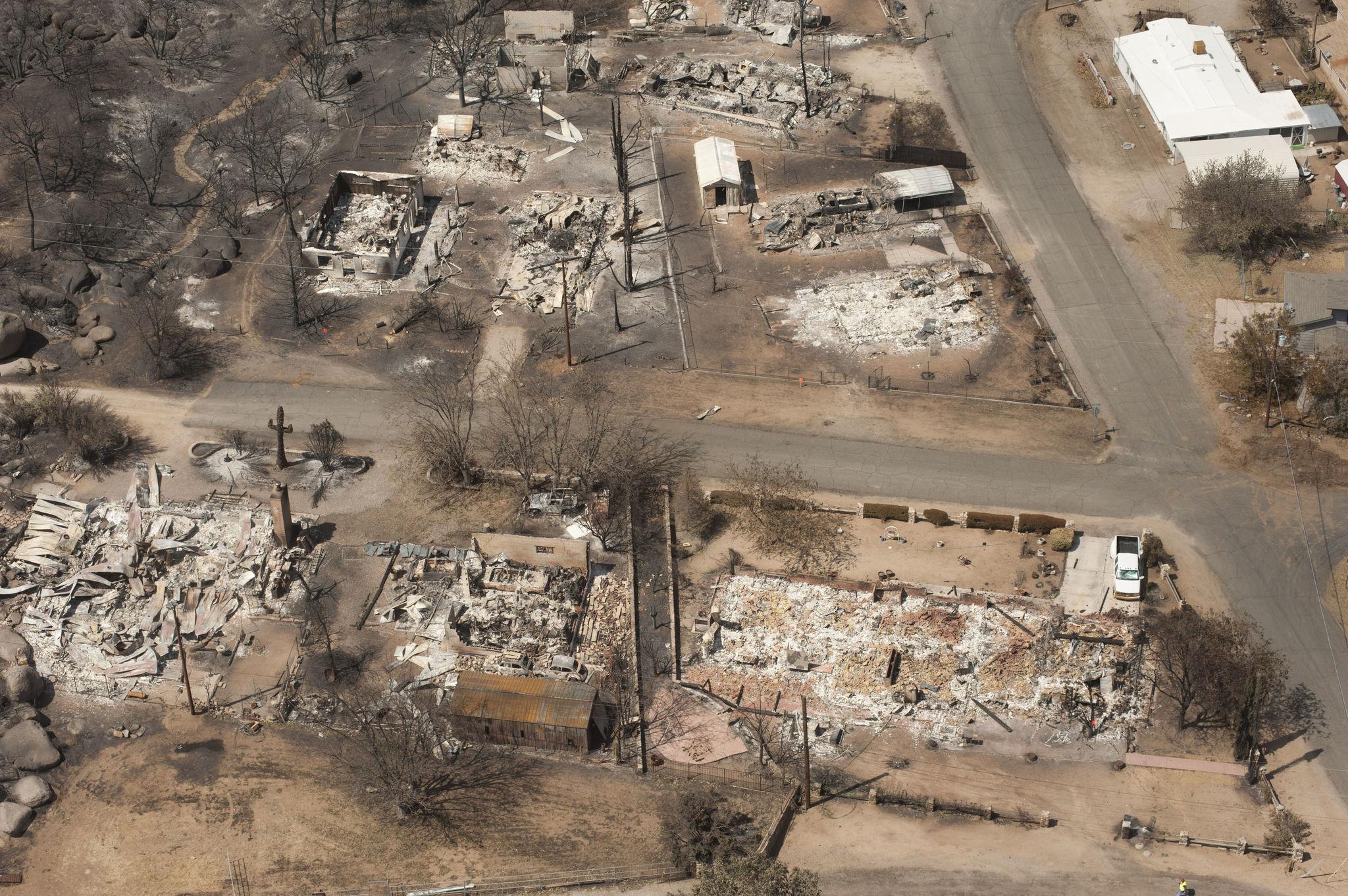
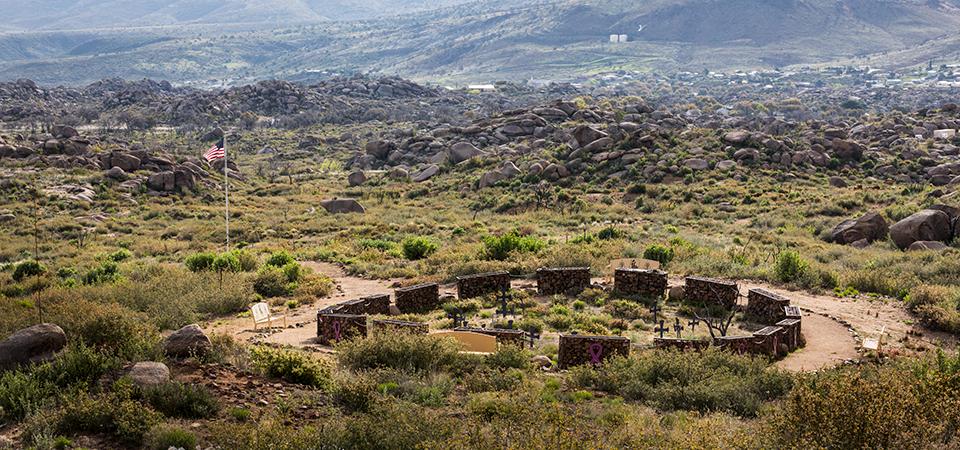
The Yarnell Hill Fire claimed the lives of 19 members of the Granite Mountain Hotshots, making it the deadliest wildfire for firefighters since South Canyon.
Initially assigned to protect structures near the town of Yarnell, the crew became trapped when thunderstorm outflow winds rapidly changed the direction and intensity of the fire. Despite deploying emergency fire shelters, none of the firefighters survived.
The incident highlighted just how unpredictable wildfire behavior can become within minutes.
Yarnell reinforced important lessons regarding:
- Constant reevaluation of fire conditions
- Communication between resources
- Weather monitoring
- Understanding outflow winds from thunderstorms
- Decision making during rapidly changing incidents
Perhaps most importantly, Yarnell reminded the fire service that experience alone cannot eliminate risk. Wildfire behavior can exceed expectations, requiring constant adaptation and humility from everyone involved.


Camp Fire (California, 2018)
November 8, 2018
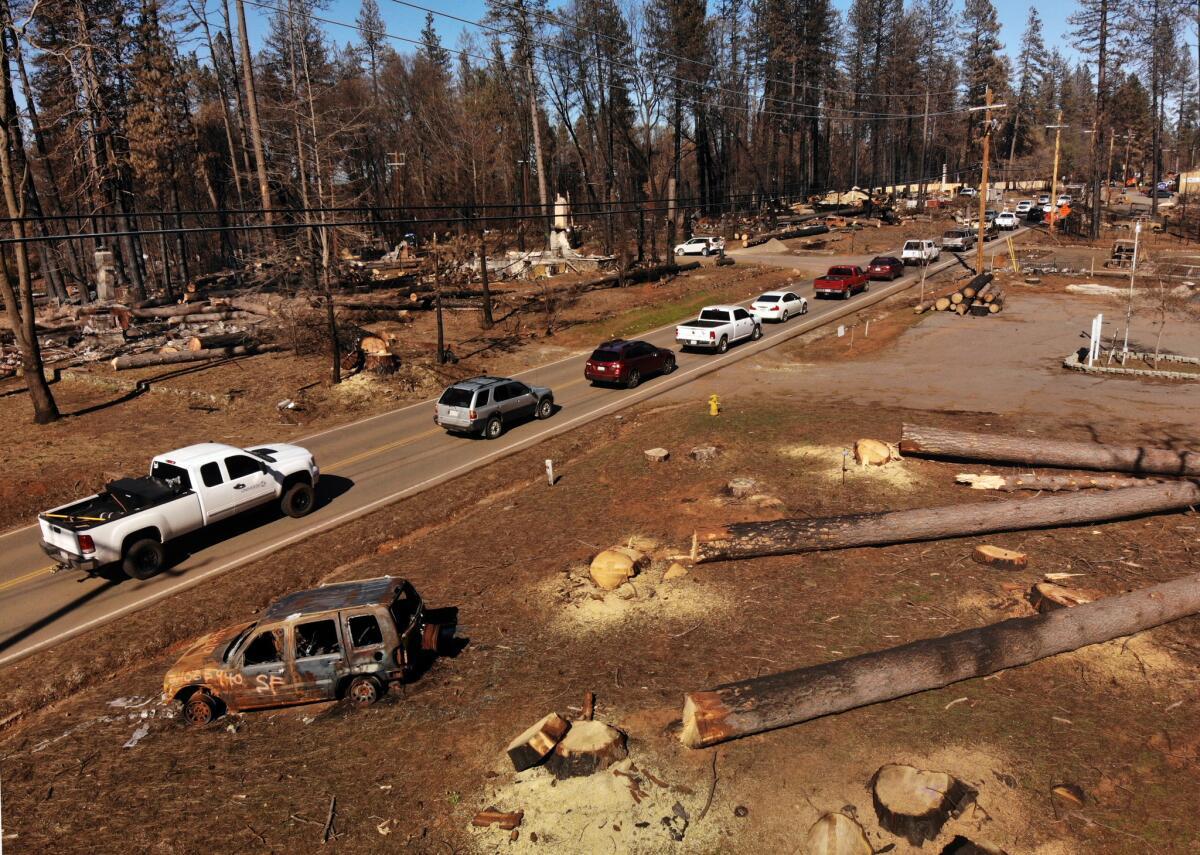
The Camp Fire became California’s deadliest and most destructive wildfire, destroying nearly 19,000 structures and causing 85 fatalities.
Strong winds pushed the fire into the town of Paradise with astonishing speed. Entire neighborhoods were engulfed within hours, leaving many residents with little time to evacuate.
The Camp Fire changed how emergency managers think about evacuation.
Researchers found that:
- Road systems can quickly become overwhelmed.
- Communities need multiple evacuation options.
- Early evacuation saves lives.
- Embers ignite homes far ahead of the fire.
- Once homes begin burning, structure-to-structure ignition becomes a major factor.
The Camp Fire also accelerated research into the Home Ignition Zone, demonstrating that relatively simple actions around a home can dramatically improve survivability.

Marshall Fire (Colorado, 2021)
December 30, 2021
The Marshall Fire challenged the long-held belief that catastrophic wildfires only occur in heavily forested areas.
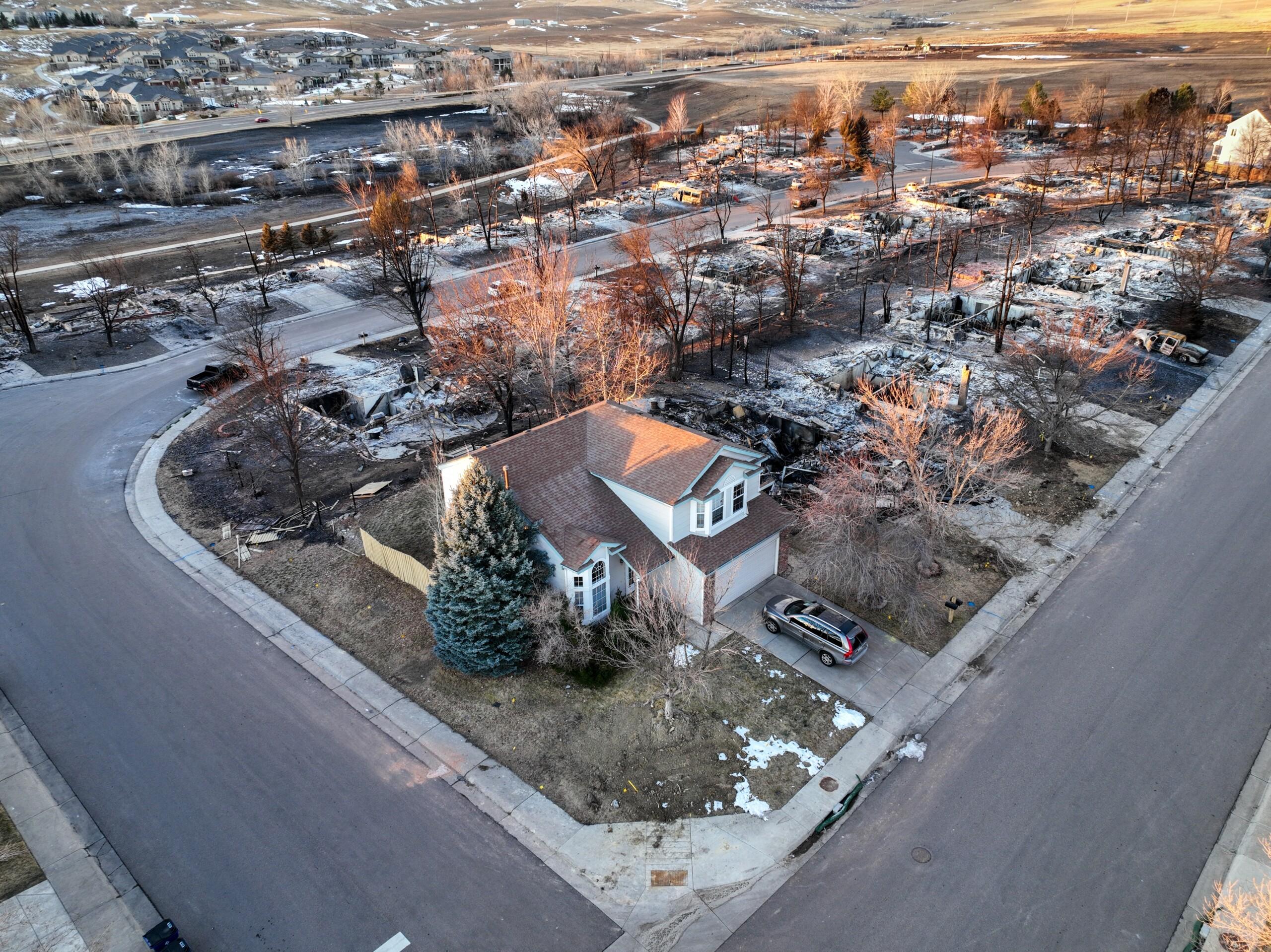
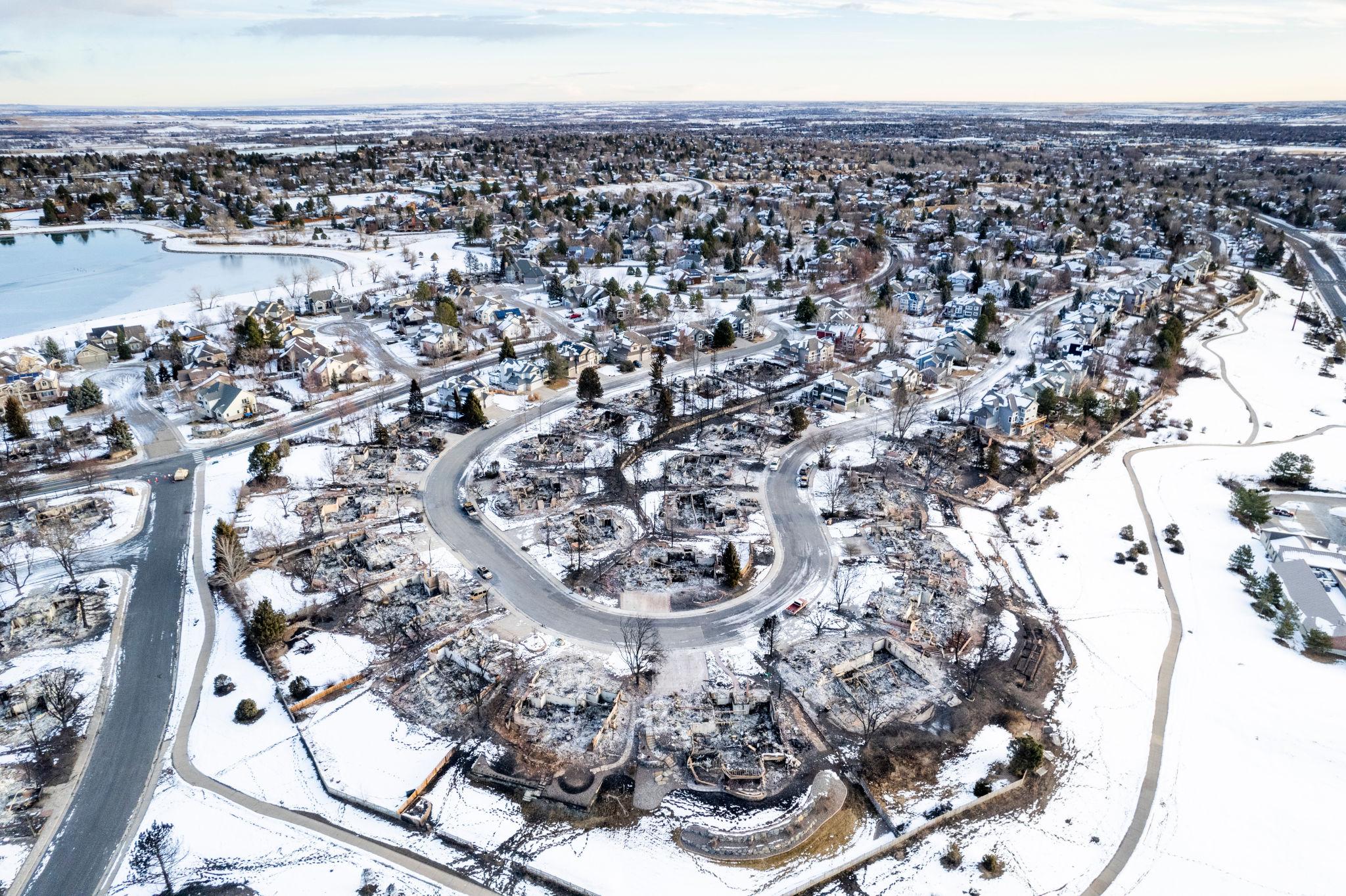
Burning through grasslands fueled by hurricane-force winds, the fire destroyed more than 1,000 homes in Boulder County in less than a day.
The Marshall Fire demonstrated that wildfire risk is not limited to forests.
Key lessons included:
- Grass fires can spread as rapidly as forest fires under the right conditions.
- Wind is often the single greatest driver of wildfire behavior.
- Dense suburban neighborhoods remain vulnerable to ember showers.
- Structure-to-structure fire spread can become the dominant source of destruction.
The fire also highlighted the importance of community preparedness in rapidly growing suburban areas located within or adjacent to the Wildland Urban Interface.
Wildfires Continue to Teach Us
Every major wildfire contributes to a growing body of knowledge that helps firefighters protect lives, property, and natural resources.
The recommendations promoted by Black Forest Fire Rescue, including creating defensible space, hardening homes against embers, planning evacuation routes, reducing hazardous fuels, and participating in Firewise and Ready, Set, Go! programs, are not based on theory alone. They are based on decades of research and real-world lessons learned from communities that have experienced devastating wildfires.
By learning from the past, we can build more resilient homes, safer neighborhoods, and stronger communities prepared for the future.
Sources
- National Wildfire Coordinating Group. Wildland Fire Lessons Learned Center. https://lessons.wildfire.gov
- National Institute of Standards and Technology (NIST). Technical Investigation of the Camp Fire (2018). https://www.nist.gov/el/fire-research-division-73300/national-construction-safety-team-ncst-investigation-camp-fire
- U.S. Fire Administration. Wildland Urban Interface Resources. https://www.usfa.fema.gov/wui/
- Colorado State Forest Service. Black Forest Fire After Action and Recovery Resources. https://csfs.colostate.edu
- National Interagency Fire Center (NIFC). Wildland Fire Statistics and Historical Fire Information. https://www.nifc.gov
